Why Is My Coffee Bitter? Causes and Fixes
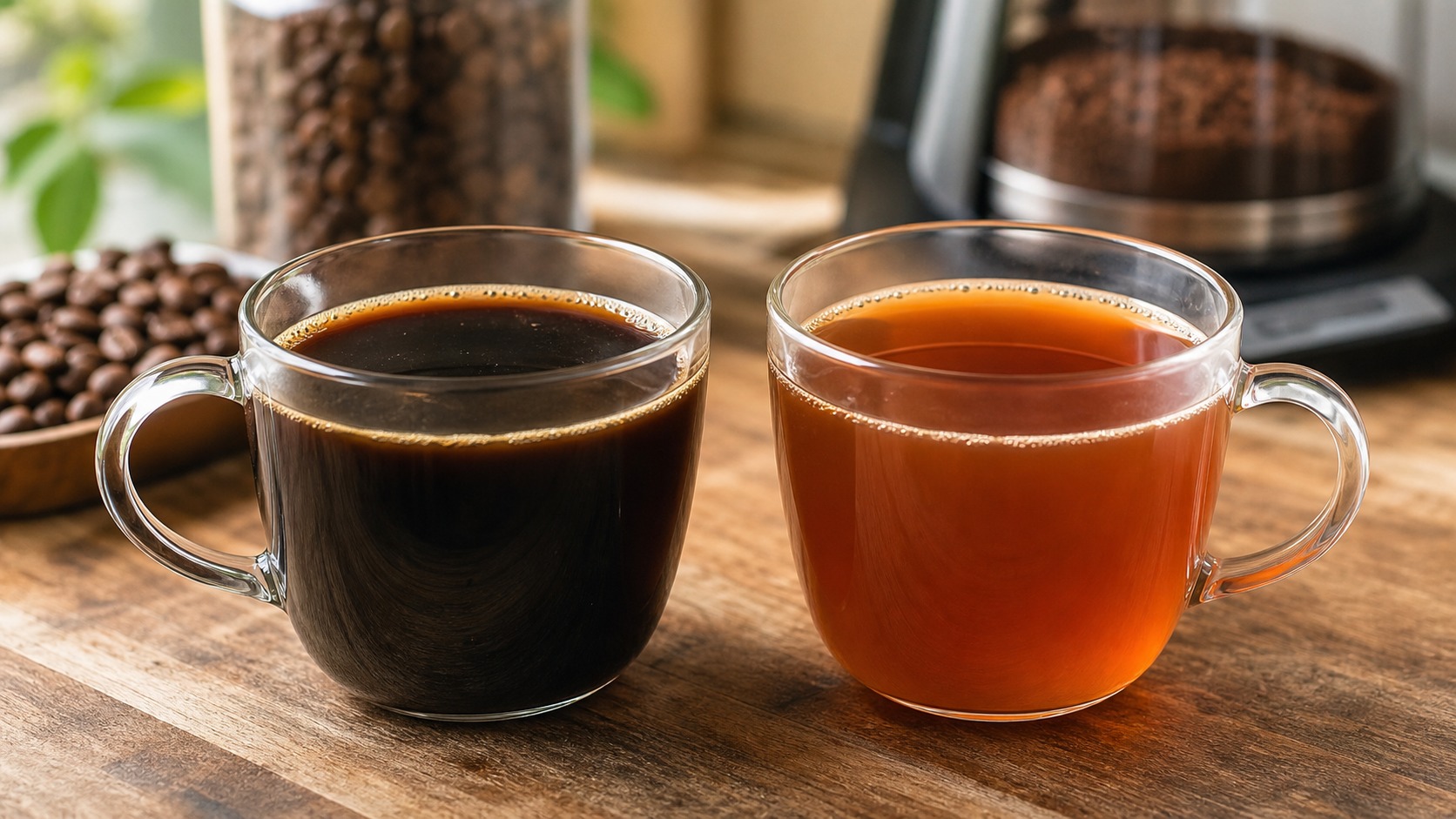
If you keep asking “why is my coffee bitter?” the short answer is almost always over-extraction — your brew is pulling too much out of the grounds. This guide is for anyone whose home coffee tastes harsh, ashy, or drying and wants a fix, not a lecture. You’ll get five common causes, each with a one-line remedy, plus a quick checklist to run through.
Bitter vs sour: telling them apart
Before you fix anything, name the taste, because the answer to why is my coffee bitter is the opposite of why it’s sour. Bitter is harsh, dry, and lingering — think over-steeped tea or dark chocolate taken too far. Sour is sharp and tangy, like under-ripe fruit or lemon.
| Taste | Means | General fix |
|---|---|---|
| Bitter, harsh, drying | Over-extracted | Grind coarser, cooler water, shorter brew |
| Sour, sharp, thin | Under-extracted | Grind finer, hotter water, longer brew |
Bitterness comes from over-extraction: you’ve pulled too much from the grounds. Sourness comes from under-extraction: you haven’t pulled enough. Everything below assumes a bitter cup and walks through the usual causes in order.
Cause 1: over-extraction
Over-extraction is the umbrella cause behind most bitterness, so it’s worth understanding once. Brewing pulls flavors out in an order: bright acids first, sweetness next, and harsh, bitter compounds last. Push the brew too far and you drag out those final, unpleasant notes.
Anything that speeds up or prolongs extraction can tip you over: a fine grind, hot water, a long brew time, or too much stirring. The next four sections are really just the specific ways this happens — and each has an easy fix.
Cause 2: grind too fine
A grind that’s too fine is the most common reason a home cup turns bitter. Fine grounds have more surface area and slow the water down, so the coffee over-extracts before it finishes draining.
The fix is simple: grind a step or two coarser and match the grind to your brewer. A French press wants coarse; pour-over wants medium; only espresso wants fine. If you’re not sure what your setting should look like, the coffee grind size chart shows each one.
Cause 3: water too hot
Water that’s too hot scorches coffee and speeds extraction into bitterness. Boiling water straight off the kettle, at 100°C (212°F), is a touch too aggressive for most brews.
Aim for roughly 90–96°C (about 195–205°F). If you don’t have a temperature-controlled kettle, boil, then let it rest for about 30 seconds to a minute before pouring. Dark roasts are especially heat-sensitive, so lean toward the cooler end for them.
Cause 4: stale or dark beans
Sometimes the beans are the problem. Very dark roasts taste more bitter by nature — roasting develops those smoky, ashy notes — so if you dislike bitterness, try a medium roast. Stale beans add a flat, harsh edge on top of that.
Buy whole beans with a visible roast date, use them within a few weeks of roasting, and grind just before brewing. Store them in an airtight container away from heat and light. Fresh, medium-roast coffee simply gives bitterness far less to work with.
Cause 5: dirty equipment
Old coffee oils turn rancid and bitter, and they cling to everything they touch — carafes, baskets, French press screens, and the innards of a drip machine. A spotless-looking brewer can still make bitter coffee if the parts behind it are coated in stale residue.
Rinse removable parts after every brew and give them a proper wash regularly; descale drip machines periodically too. If your gear has been neglected, a deep clean alone can rescue the cup. Our guide to cleaning your coffee equipment covers how and how often.
A quick fix checklist
When a cup tastes bitter, run down this list and change one thing at a time so you know what worked:
- Grind one step coarser.
- Cool your water to about 93°C (200°F).
- Shorten the brew or steep time.
- Check your ratio — too much coffee reads as harsh.
- Switch to fresher, medium-roast beans.
- Clean the brewer and its removable parts.
Nine times out of ten, one of these lifts the harshness. Start with grind and water — they’re the usual suspects — and taste after each change.
Frequently asked questions
Why is my coffee bitter but my friend’s isn’t?
Small differences add up: grind size, water temperature, brew time, bean freshness, and how clean the gear is all shift the taste. If your setups look similar, compare grind and water temperature first, since those cause most bitterness. Match those two and your cups will move much closer.
Does adding salt really reduce bitterness?
A tiny pinch of salt can mask perceived bitterness, and some people like the trick. But it treats the symptom, not the cause — you’ll get a better cup by fixing the grind, water temperature, and brew time. Use salt as a rescue, not a routine.
Why is my drip machine coffee so bitter?
Drip machines often brew with water that’s a little hot and baskets that hold heat, which nudges coffee toward over-extraction. Use a medium grind, don’t leave the carafe sitting on a hot plate, and clean and descale the machine regularly. Moving the finished coffee to a thermal carafe helps a lot.
Can old coffee taste bitter?
Yes. Stale, oxidized beans lose their bright, sweet notes and leave a flat, harsh bitterness behind. Buy whole beans with a roast date, use them within a few weeks, grind fresh, and store them airtight away from light and heat.
Bitter coffee is a solvable puzzle, not a verdict on your taste or your kitchen. Adjust grind and water temperature first, keep your gear clean, and change one variable at a time until the cup turns sweet and clean. For the full method behind a balanced brew, start with our cornerstone guide.
Last updated: July 6, 2026


Comments
Post a Comment